
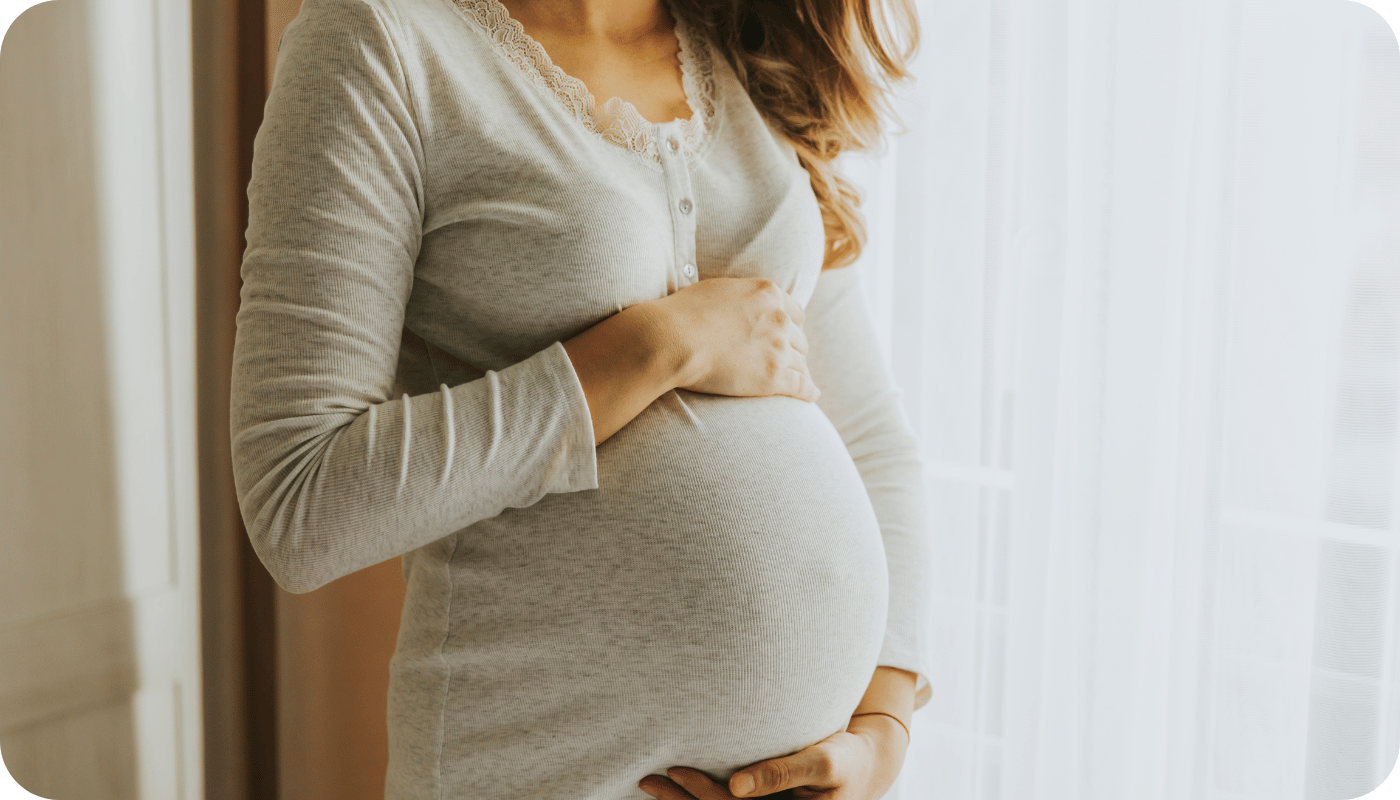
Child & Maternal Nutrition
Ensuring proper nutrition during pregnancy, postpartum recovery, and childhood is essential for lifelong health and well-being. Our specialized nutrition plans are designed to support mothers and children at every stage of their journey.
Pregnancy & Postpartum Diet Plans
A well-balanced diet during pregnancy ensures the mother’s health and promotes the baby’s optimal growth and development. Our plans include:
-
 Trimester-specific meal plans to meet the changing nutritional needs of the mother and baby
-
Nutrient-rich foods to support fetal brain development, bone health, and immunity
-
Postpartum recovery diets that aid in faster healing, hormonal balance, and energy restoration
Lactation Diet for New Mothers
Breastfeeding mothers need extra nutrition to support milk production and maintain their own health. Our lactation diet includes:
-
Foods that enhance breast milk supply naturally
-
Balanced meal plans that prevent postpartum deficiencies and keep mothers energized
-
Hydration and essential nutrients for strong immunity and overall well-being
Kids’ Nutrition & ‘Fit Bachpan’ Program
A strong foundation in childhood nutrition is key to lifelong health. Our ‘Fit Bachpan’ program is designed to:
-
Improve immunity & brain development with the right mix of proteins, vitamins, and minerals
-
Encourage healthy eating habits by making meals fun and enjoyable for kids
-
Address childhood obesity & undernutrition with personalized diet plans
-
Tackle common concerns like picky eating, low energy levels, and weak digestion
Every child and mother deserves the best nutrition to lead a happy and healthy life. Our expert guidance ensures that you and your little one get the right nourishment at the right time. 💖🌿
Proper nutrition during pregnancy supports the baby's growth, reduces complications, and ensures a healthy delivery. Essential nutrients like folic acid, iron, calcium, and protein play a crucial role in fetal development and maternal health.
Foods like oats, fenugreek, fennel seeds, almonds, and leafy greens can help improve breast milk supply. Staying hydrated and maintaining a well-balanced diet also play a key role in lactation.
Encourage balanced meals, make food fun, introduce a variety of flavors, and be a role model for healthy eating. Avoid force-feeding and create a positive mealtime environment to build healthy habits.
Yes, a well-balanced diet with portion control, high-fiber foods, lean proteins, and regular exercise can help in postpartum weight loss while ensuring the mother gets adequate nutrients.
A balanced diet should include protein-rich foods (lean meats, eggs, beans), calcium sources (dairy, leafy greens), iron-rich foods (lentils, red meat), and folic acid-rich foods (citrus fruits, fortified cereals). Staying hydrated and eating whole foods ensures proper nutrition for both mother and baby.
Pregnant women should avoid raw or undercooked seafood, unpasteurized dairy, processed meats, high-mercury fish (shark, swordfish), excessive caffeine, and alcohol. These foods may pose risks such as infections, nutrient deficiencies, or developmental issues for the baby.
Pregnant women should drink at least **8–12 cups (2–3 liters) of water daily** to stay hydrated, support amniotic fluid levels, and prevent constipation. Proper hydration also helps maintain energy levels and promotes healthy fetal development.
Folic acid is crucial for **preventing neural tube defects** in the baby’s brain and spine. It supports cell growth and DNA formation. Pregnant women should take **400–600 mcg of folic acid daily** from foods like spinach, lentils, and fortified cereals, or as a prenatal supplement.
Yes, but in moderation. Pregnant women should **limit caffeine intake to 200 mg per day** (about **one 12-ounce cup of coffee**). Excessive caffeine may increase the risk of low birth weight or miscarriage. Consider herbal teas or decaffeinated options for a safer alternative.